Ask Your Local Tree
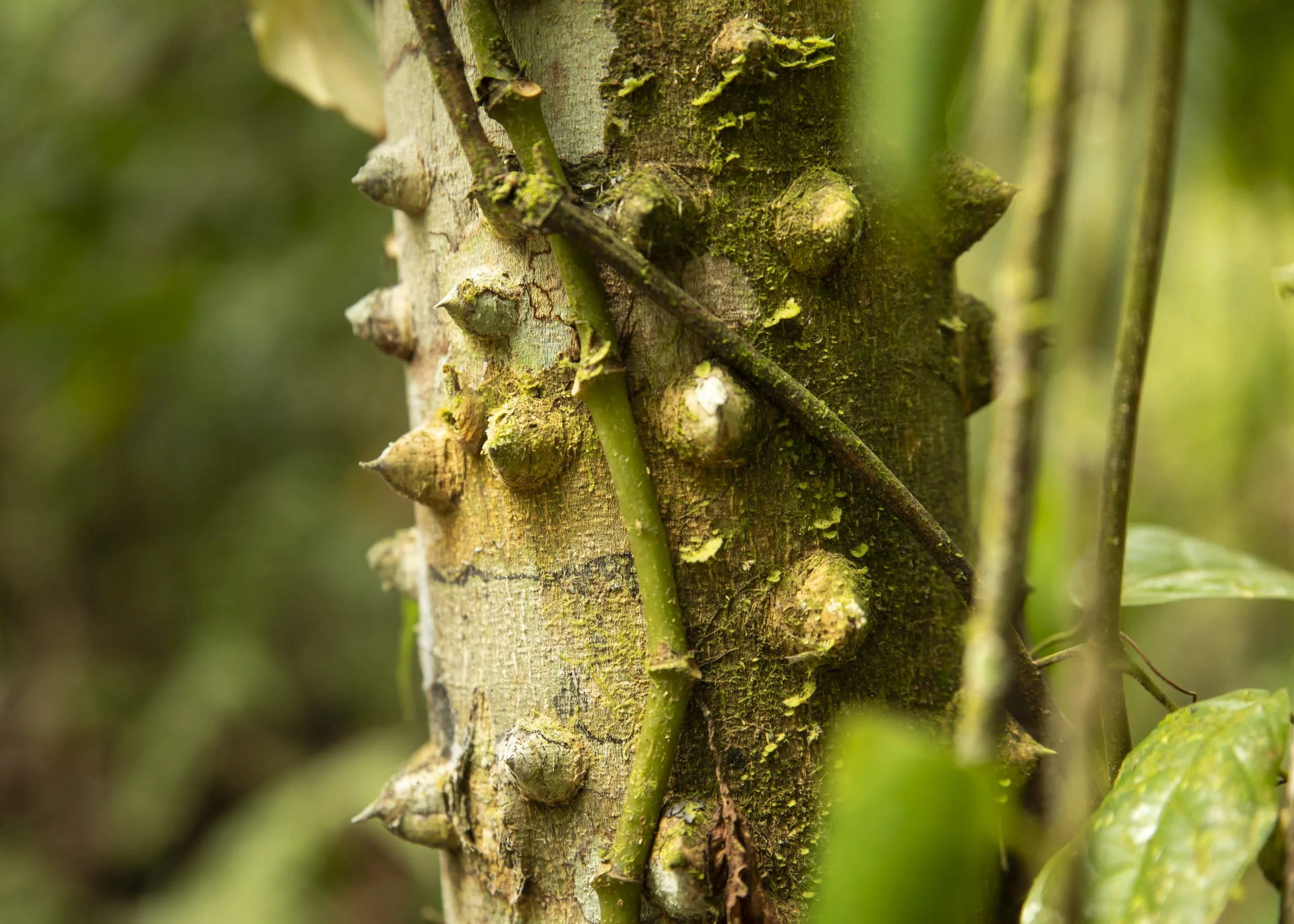
In July of 1877, John Muir wrote that “in every walk with Nature, one receives far more than he seeks.”
I visited his home in Martinez, California. It stands as a time capsule off Highway 80, and amazingly, the songbirds remain undampened by the highway and construction noises. Inside the farmhouse, you can find his original desk, his “scribble den,” as he liked to call it. Here he wrote about his travels from the mountains of Yosemite to Glacier Bay in Alaska, describing the wilderness's sacred beauty and humanity’s obligation to protect it.
This year the United States turned 250 years old; this number pales in comparison to the oldest living tree at 4,800 years old hidden in Inyo National Forest. The ancient tree gods have nothing to say about the state of the world. Our gentle teachers exist in complete consciousness, not demanding or seeking anything, with roots reaching deep into the earth and branches boundless toward the sky, opposites holding both sides of the world in place. John Muir knew this.
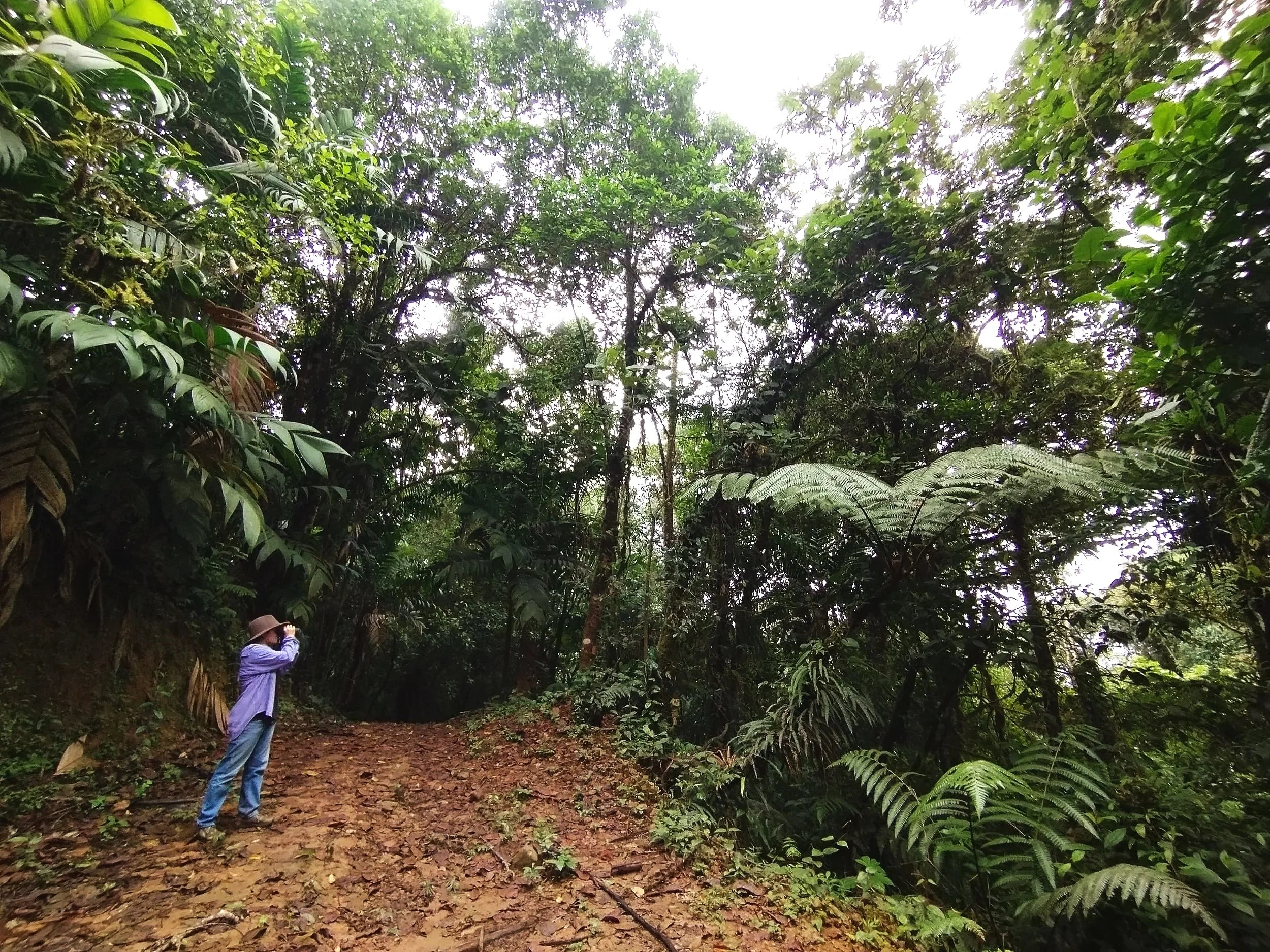
Today, the majority of the world’s population lives in cities, and our separation from nature is more apparent than ever. In the San Francisco Bay Area, some companies are weaving this responsibility into their business models. The furniture company, MasayCo, has taken on deforestation by replanting trees, preserving old-growth forests, and using entire trees when designing their pieces. Bay Area software company New Relic gives its employees one paid day each year to volunteer for an organization of their choosing. This encourages employees to get involved in the causes and communities they care about.
We desperately need more businesses like New Relic and MasayCo that operate under the triple bottom line theory, prioritizing people, the planet, and profits. Unfortunately, most businesses still put profit above all else.
While clearing dead spruce trees from the forest in Alaska this summer, I learned that many California corporations are paying Alaska Native corporations to preserve old forests that the Natives were never planning on cutting down. Avoiding responsibility for a company’s contribution to environmental degradation is a common practice in late-stage capitalism, skirting responsibility to others by claiming, "We're carbon neutral.”
Companies are misleading consumers with this greenwashing. It’s easy to blame environmental degradation on corporate greed, the oil and gas industry, or developing nations. But capitalism depends on extraction and waste, our mere existence is a parasite to the earth. Are we all singing along with Mr. O'Hare in The Lorax, "Let it die!" every time we order a latte in a to-go cup?
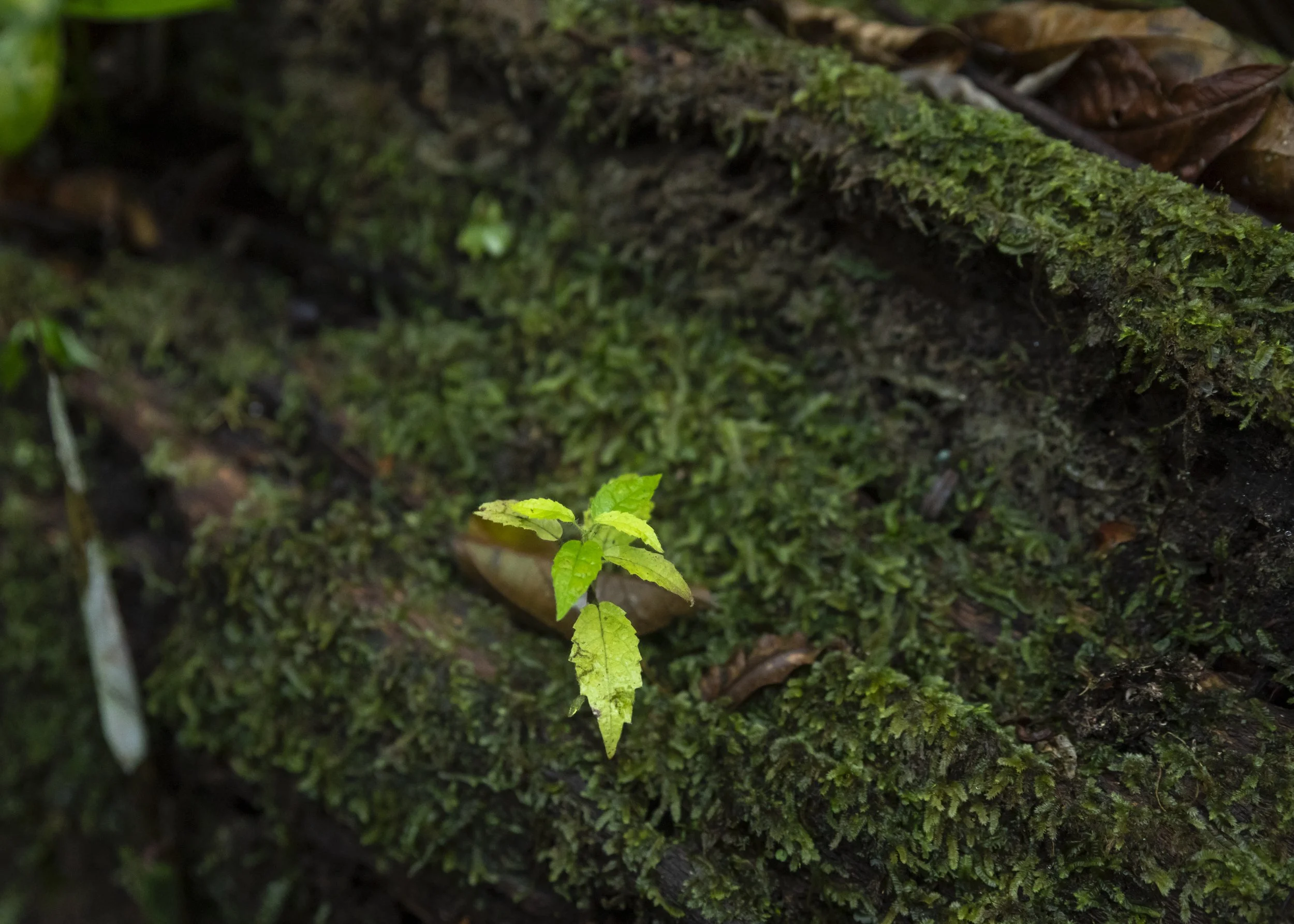
Let’s turn to the wisdom of our elders, the trees. If you place your back against a tree and breathe deeply, imagine its firmly solid roots beneath your feet holding you steady, then gaze upwards at its branches reaching toward the sky. As you breathe in and out, your carbon dioxide exchanges with the tree’s oxygen in an unnoticed process.
If we wish to uphold John Muir’s legacy, we must appreciate the divine beauty around us, from mountains to rivers to a songbird perched on your fence. There is always an urge to rally behind a cause, help this and that, and put out every fire, yet the trees advise us to sit still, be quiet, and breathe. If you're looking for a cause, consider supporting your local tree.